Toddlerhood
The toddlerhood stage is from ages one to three years old. This is a rapid period of growth and development as children learn to walk, talk, and gain independence. Toddlers begin to experience strong emotions and are just starting to develop skills to regulate them. They also develop emerging communication skills and begin interacting more with their peers.
Social Emotional Development in Toddlers
Young children learn and develop within the context of interactions with others in their environment. There is evidence that both individual and class-wide interventions can improve social-emotional skill development and reduce children's challenging behavior (Cunningham et al., 2023).
Social/Emotional Milestones
12-18 Months:
- May begin to show early tantrum behaviors.
- Communicates through gestures (for example, waving bye, pointing).
- Seeks comfort from caregivers.
- Shows a range of emotions (for example, happiness, fear, frustration).
2-3 Years:
- Begins to show empathy.
- Becomes more independent.
- Starts to develop patience and the ability to follow simple directions.
- Begins to take turns with peers, though inconsistent.
Learning Activities/Strategies
Storytime with Feelings Books:
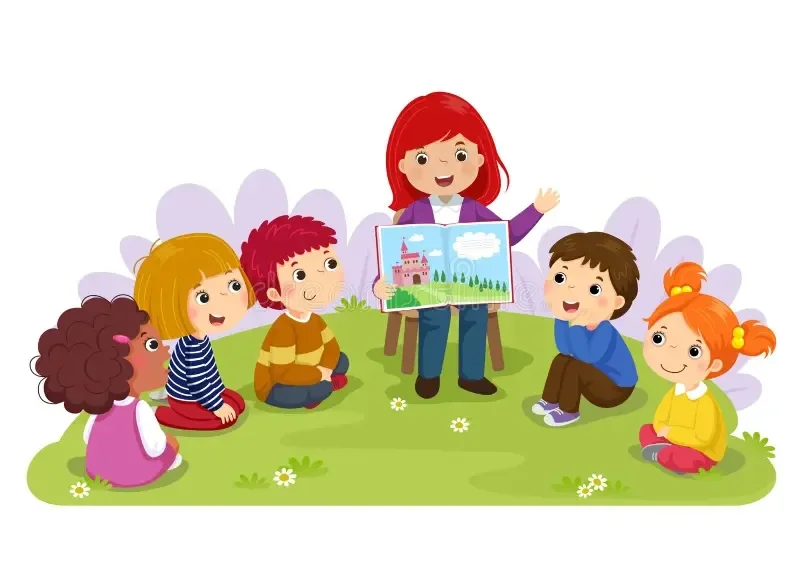
- Storytime with feelings is an effective activity to use with toddlers because it connects emotions to language and shows them that the emotions they often feel are normal. Teachers can choose books that show simple emotions, facial expressions, and how characters respond to those emotions. Asking questions is also important, such as "Is she happy or sad?" Students can also share simple experiences of when they have felt similar emotions.
Breathing Techniques:
- Teaching children breathing techniques can be an effective way to support emotional regulation. "Smelling the pizza" (slow inhale) or "blowing out the birthday candles" (slow exhale) are simple breathing strategies that can be used in the classroom when toddlers are frustrated or upset.
Create Your Own Website With Webador