Early Childhood
The early childhood stage is from three to eight years old. During this time, children's cognitive, language, social, and emotional skills develop rapidly. Children in this stage become increasingly independent and begin thinking for themselves. They also develop a clearer understanding of rules and routines.
Social Emotional Development in Early Childhood
Early learning settings are rich with opportunities to build and practice social and emotional skills; however, the quality of these settings affects the degree to which a child’s social and emotional development is supported. In high-quality settings, children benefit from “frequent, warm, and stimulating” interactions with caregivers who are attentive and able to individualize instruction based on children’s needs and strengths. Early educators in high-quality settings are trained in early childhood education and tend to be less controlling and restrictive in their approach to classroom management (Palmer, 2019).
Social/Emotional Milestones
3-4 Years (Preschool):
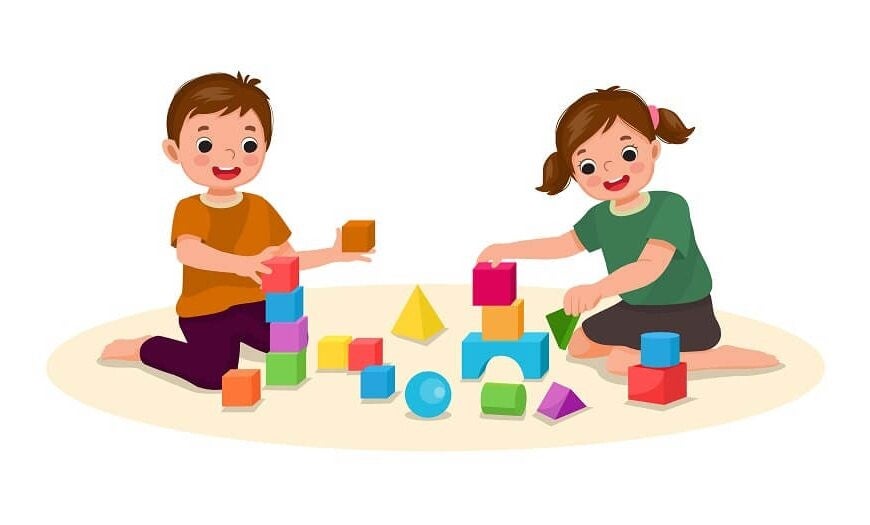
- Begins to share and take turns with peers.
- May be able to regulate emotions better, but still struggles.
- Imagination becomes prominent in play.
- Wants to be a helper.
4-5 Years (Pre-K/Kindergarten):
- Plays cooperatively with peers, taking turns and sharing.
- Can talk more specifically about their feelings.
- Better understands appropriate behavior (for example, loud voices are for outside, not inside).
- Builds close friendships with classmates.
6-8 Years (Early Elementary):
- Friendships become more important.
- Understands rules more fully.
- Begins to experience more complex emotions. such as embarrassment.
- Becomes better at resolving conflicts.
Learning Activities/Strategies:
Encouraging Social Skills:
- Teachers can offer opportunities for students to communicate with one another, work as a team, and problem-solve. This can be done through games that requires partners or through group projects.
Classroom Jobs:
Classroom jobs are very effective at fostering responsibility, modeling positive behavior, and encouraging turn-taking. They also give shy students opportunities to step out of their comfort zone and communicate with others.
Create Your Own Website With Webador