Self-Regulation
Self-regulation is more about becoming aware of one's brain-body responses to stressors in everyday life any applying personalised strategies to return to a state of composure or calm. Stressors can come from various domains that include environmental, emotional, cognitive and social and vary from person to person, depending on personal situations and experiences (Slater, 2021).
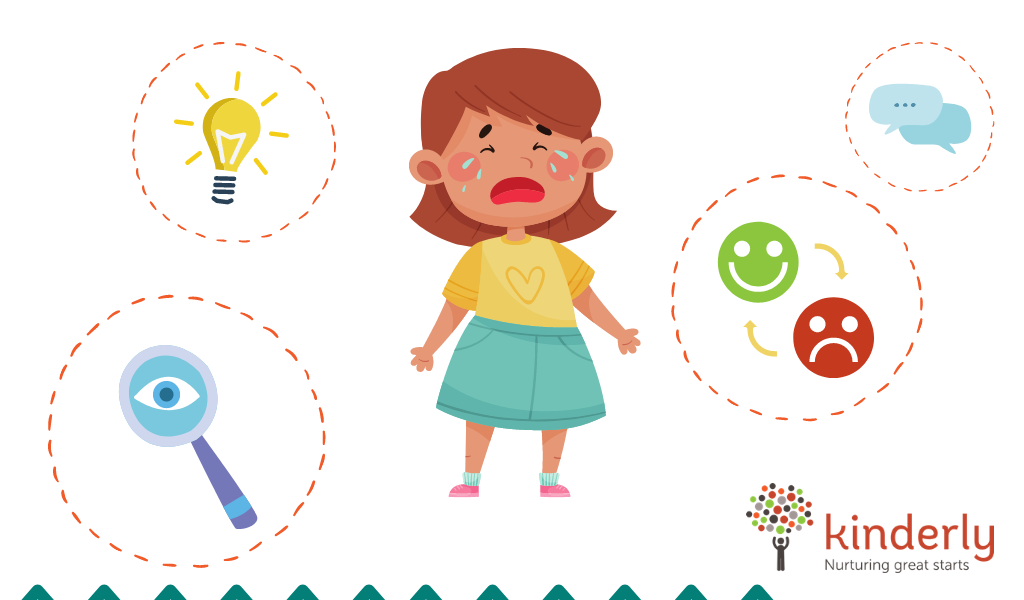
Examples of Self-Regulation:
- A student is working on a math assignment but gets stuck on a problem. Instead of getting upset and giving up, they ask the teacher for help.
- When a student gets overwhelmed at a school pep rally due to loud noise, they ask if they can take a break instead of acting out.
- A student notices that they are getting tired and losing motivation to finish an assignment. Instead of putting their head down and going to sleep, they ask the teacher for a short brain break.
Encouraging Self-Regulation Skills:
- Teachers can demonstrate ways that students can plan ahead for challenges. For example, "If I get confused on a problem, I will raise my hand and ask for help."
- Teachers can offer students choices, which helps foster decision-making skills. For example, "would you rather work alone or with a partner?"
Create Your Own Website With Webador